
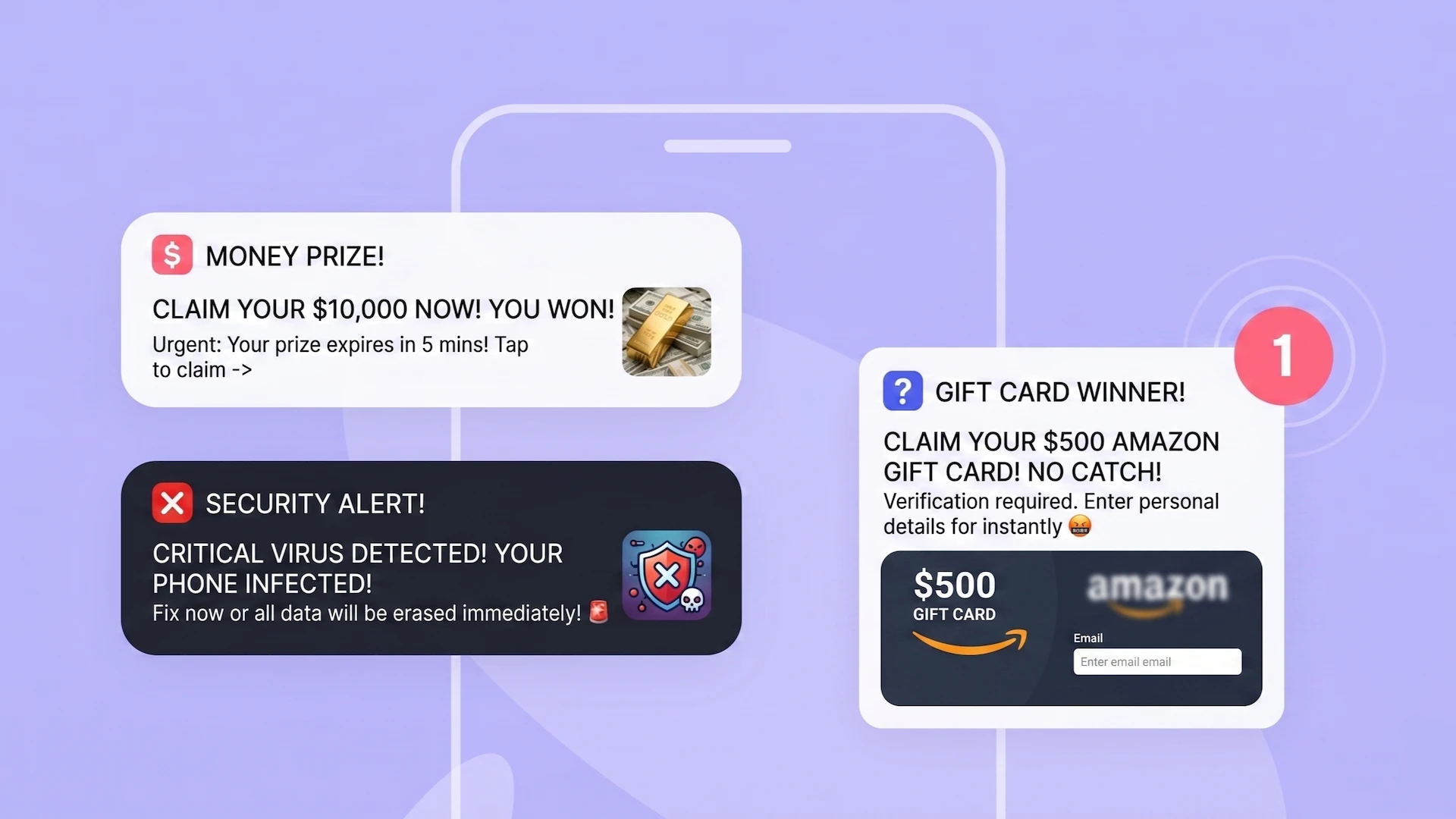
In the quest for digital revenue, “passive income” is the ultimate siren song. For many website owners, Push Notification Monetization sounds like the perfect deal: add a line of code, let a third-party service send ads to your subscribers, and watch the pennies turn into dollars.
But here is the hard truth: monetizing your push list is one of the most effective ways to destroy your brand’s trust overnight.
The Hidden Cost of “Easy” Revenue
When you hand over your push notification permissions to a monetization partner, you aren’t just sharing a tool; you are handing over the keys to your users’ most private digital space—their notification tray.
Here is why this model is fundamentally broken:
- The Loss of Editorial Control: Most monetization services operate by selling your “inventory” to the highest bidder. You rarely get to vet the content.
- The “Spam” Factor: Because these third-party partners prioritize volume and clicks, the ads are frequently aggressive, low-quality, or outright deceptive.
- Brand Association: Your users don’t blame the anonymous ad network; they blame you. If they signed up for updates on your tech blog and start receiving “Weight Loss Miracle” alerts, your credibility evaporates.
Google is Fighting Back: AI-Powered Spam Detection
If the risk to your reputation isn’t enough to deter you, the technical consequences should be. Google is no longer playing nice with intrusive web experiences.
Chrome has recently introduced AI-based spam detection specifically designed to identify and suppress abusive push notifications. As detailed in this Trust Push deep dive, Google’s machine learning models can now:
- Analyze the frequency and content of notifications.
- Automatically “quiet” or block notifications from sites that users frequently dismiss or report.
- Flag domains that participate in predatory monetization schemes.
The Result? If you use spammy monetization tactics, Google may blackball your entire domain from sending any notifications, even the legitimate ones.
How to Do Push Notifications the Right Way
Push notifications should be a bridge to your audience, not a billboard for junk. To maintain a high-quality brand, you need a strategy that prioritizes User Experience (UX) over short-term pennies.
| Strategy | Monetized Push (The Risk) | Value-Driven Push (The Right Way) |
| Content | Third-party ads, clickbait, “scammy” offers. | Personalized updates, news, and relevant alerts. |
| Frequency | High (to maximize ad impressions). | Low to Moderate (to maximize engagement). |
| User Trust | Rapidly declining; high unsubscribe rates. | Increasing; builds long-term brand loyalty. |
| SEO Impact | Risk of Chrome penalties and “spam” flags. | Positive signals through high engagement. |
Take Back Control with Trust Push
The problem with most push services is that they act as “middlemen” who profit from your data. You need a partner that puts the steering wheel back in your hands.
Trust Push is built on the philosophy that your audience is your greatest asset. Instead of selling out your subscribers to spammy ad networks, Trust Push allows you to:
- Own Your Data: Keep your subscriber data secure and private. We never store individual subscribers data on our servers.
- Maintain Quality: Ensure that every notification sent under your brand name is high-value and relevant.
- Navigate the AI Era: Stay ahead of Google’s strict spam filters by following best practices that browser’s in-device AI models recognize as “high quality.”
Conclusion: Don’t Trade Your Brand for Pennies
In 2026, brand reputation is the only currency that truly matters. While push notification monetization offers a tempting short-term payout, the long-term cost—losing the trust of your audience and the favor of search engines—is far too high.
Stop letting third-party partners spam your users. Start building a communication channel that actually converts.
Protect your reputation. Switch to Trust Push today.